


Volvo will begin producing heavy-duty electric trucks in Australia during 2026 and Deals on Wheels went to find out more.
Australia’s transition towards battery-electric heavy vehicles has taken a significant step forward, with Volvo Group Australia confirming it will begin assembling heavy-duty electric trucks at its Wacol manufacturing facility in Brisbane during 2026. The announcement coincides with a landmark order from logistics company Linfox, which has committed to purchasing 30 Volvo battery-electric trucks, the largest single order of heavy-duty electric trucks yet placed in Australia.
Australian-made certification
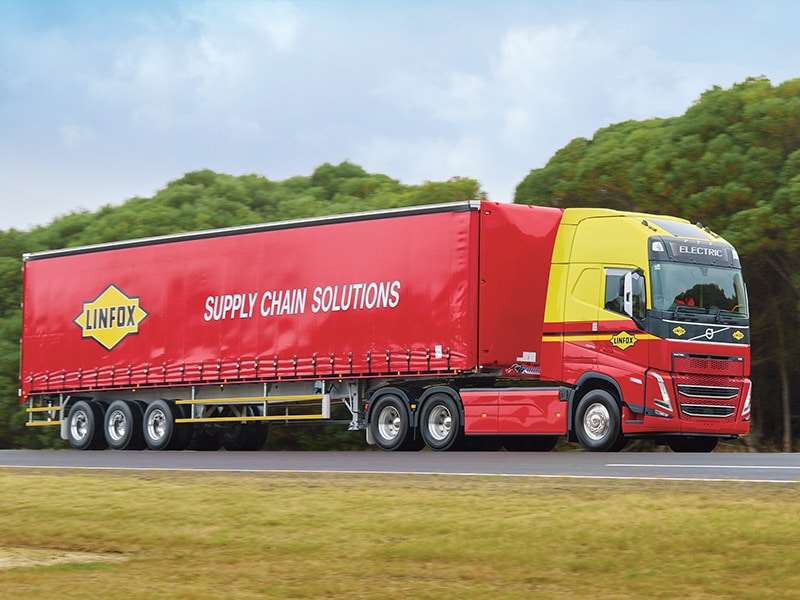
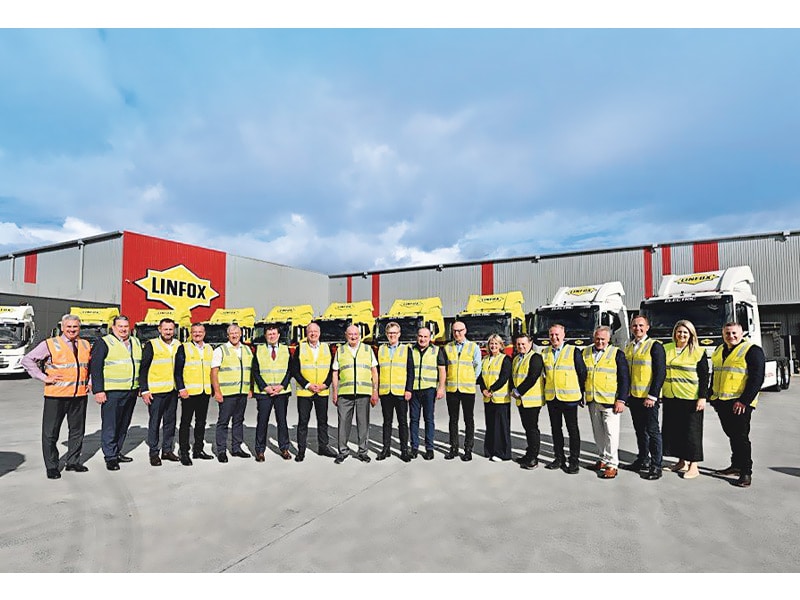
The Linfox fleet will include 29 Volvo FH Electric prime movers and a single FM Electric rigid truck. Ten of these vehicles are scheduled to be assembled at the Brisbane plant and will carry Australian Made certification, marking the first Australian-built heavy-duty battery-electric trucks to enter commercial service.
For Volvo, the Linfox order provides more than a substantial fleet sale. It demonstrates growing confidence from a major freight operator that battery-electric trucks are becoming suitable for selected transport applications. Linfox has spent several years evaluating alternative fuel technologies, including battery-electric and hydrogen-powered vehicles, as it works towards reducing emissions across its transport operations.
Volvo has been supplying electric trucks to Australian customers since 2023, but until now those vehicles have been imported. Local assembly at Wacol represents the next stage in the company’s electrification programme and makes Brisbane the fifth Volvo manufacturing facility worldwide to produce heavy-duty battery-electric trucks.
Adding battery-electric
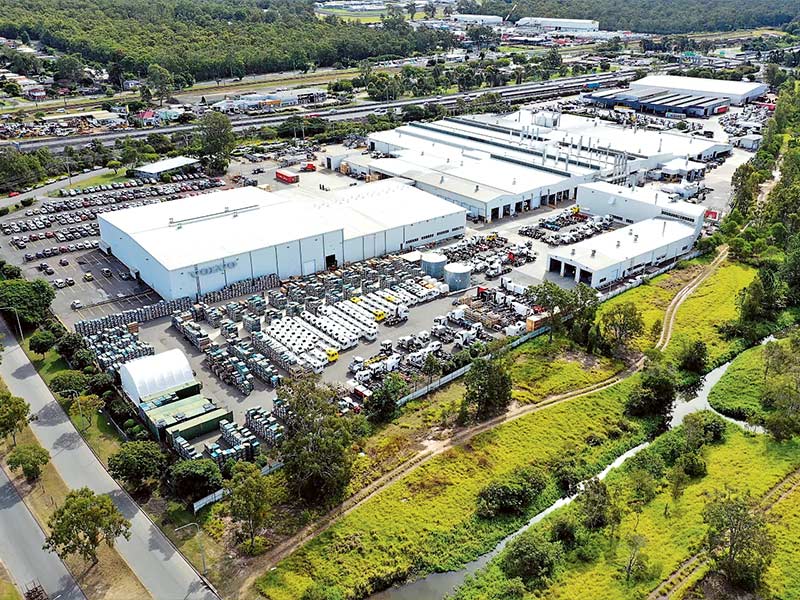
The Wacol plant has been manufacturing trucks for Australia and New Zealand since 1972 and has produced more than 80,000 vehicles during that time. The facility already builds a range of Volvo and Mack heavy-duty trucks, with vehicles engineered to suit the operating conditions found across Australia and New Zealand.
Adding battery-electric models to the existing production line allows Volvo to utilise an experienced workforce and established supplier network while adapting its manufacturing processes to accommodate electric drivetrains. Local assembly also gives engineers greater flexibility to specify trucks for regional requirements, including higher gross vehicle masses, demanding climatic conditions and applications unique to the Australasian transport industry.
The FH Electric models ordered by Linfox are designed for urban and regional freight operations where predictable daily routes and depot-based charging make battery-electric transport more practical. While battery technology continues to improve, these types of operations remain among the most suitable applications for electric heavy vehicles because trucks can return to a central depot for overnight charging rather than relying on an extensive public charging network.
Higher initial investment
The economics of battery-electric trucks differ from conventional diesel vehicles. Purchase prices remain higher, but operators can potentially reduce running costs through lower energy consumption, fewer routine maintenance requirements and reduced mechanical complexity. Whether those savings outweigh the higher initial investment depends largely on annual utilisation, electricity pricing and available charging infrastructure.
Volvo has also begun incorporating electric trucks into its own Australian operations. Earlier this year, battery-electric vehicles entered service transporting components between suppliers, warehouses and the Wacol manufacturing plant. The initiative provides operational experience under local conditions while reducing emissions within Volvo’s own supply chain.
Local relevance
For New Zealand transport operators, developments in Brisbane are particularly relevant. The Wacol factory has long supplied trucks to both sides of the Tasman, and local assembly of electric models offers the prospect of vehicles developed for similar road conditions, payload requirements and operating environments. As battery-electric truck demand grows across Australasia, local production may also improve parts availability, technical support and delivery timeframes compared with fully imported vehicles.
While battery-electric technology is unlikely to replace diesel across every transport task in the foreseeable future, it is becoming an increasingly viable option for metropolitan distribution and regional freight. Long-haul operations covering thousands of kilometres remain more challenging due to charging requirements and vehicle range, although ongoing advances in battery technology continue to extend operating capability.
The combination of Volvo’s investment in Australian manufacturing and Linfox’s commitment to deploying 30 battery-electric trucks illustrates how the heavy transport industry is gradually moving from demonstration projects to larger commercial fleets. Rather than representing a wholesale shift away from diesel, the programme reflects a more measured approach, where electric trucks are introduced into applications where the technology can deliver practical operational benefits while supporting broader emissions reduction goals.
Images supplied
