


Logset's hybrid harvesters combine diesel and electric power to cut fuel consumption without needing a charging station
For decades, forestry machinery has relied almost exclusively on increasingly powerful diesel engines to meet the demands of harvesting larger timber, operating sophisticated hydraulic systems and working efficiently in difficult terrain. While engines have become cleaner and more fuel-efficient, the basic formula has remained much the same.
Finnish manufacturer Logset has taken a different approach. Rather than simply increasing engine size, it has spent nearly a decade developing hybrid harvesting technology that combines conventional diesel power with an electric motor. The result is not an electric forestry machine in the way many people might imagine, but a diesel-powered harvester that uses stored electrical energy to provide additional power precisely when it is needed.
The hybrid powertrain
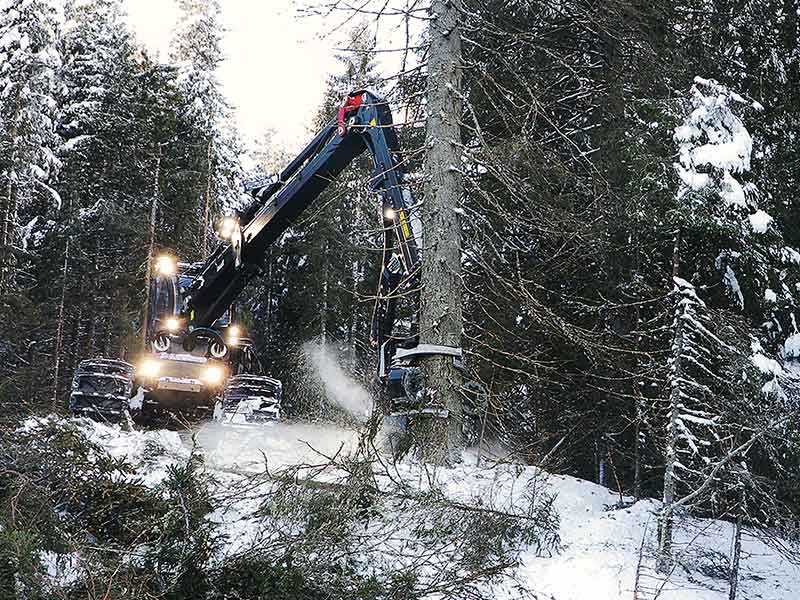
Logset introduced its first hybrid harvester in 2016 with the 12H GTE Hybrid, followed by the smaller 8H GTE Hybrid in 2019. Since then, the company has continued refining the concept, and hybrid technology has become one of the more significant engineering developments in mechanised harvesting.
Unlike battery-electric construction equipment that relies on external charging, Logset’s system generates and stores its own electrical energy. The hybrid powertrain combines a conventional AGCO diesel engine with an electric motor and a bank of supercapacitors. These capacitors differ from lithium-ion batteries by charging and discharging extremely quickly, making them well suited to machinery where power demands fluctuate constantly throughout the harvesting cycle.
During normal operation, the diesel engine maintains a relatively constant speed while the electric motor provides additional power whenever demand suddenly increases. This typically occurs when multiple hydraulic functions are operating simultaneously, such as feeding a stem through the harvesting head while the crane is moving or when cutting large trees. Once the peak demand passes, the system returns to charging the capacitors for the next cycle.
Maintaining a steadier engine speed offers several advantages. Instead of repeatedly accelerating and decelerating to meet changing loads, the diesel engine operates closer to its most efficient range. The electric motor handles the short bursts of additional demand that traditionally required higher engine revs. The outcome is reduced fuel consumption, lower engine stress and quieter operation inside the cab.
Evaluating the technology
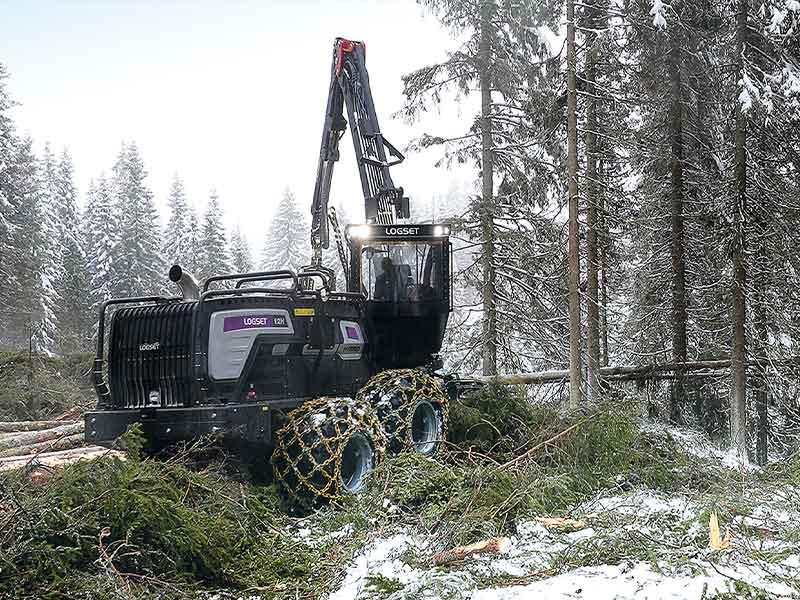
Independent testing has suggested that hybrid harvesting can produce worthwhile fuel savings under suitable operating conditions. Finnish forestry research organisation Metsäteho has evaluated the technology, while field experience in Scandinavia has reported fuel reductions that can exceed 20 percent, depending on timber size, terrain and operating practices. As with any machinery comparison, results vary considerably according to workload and operator technique, but lower fuel consumption remains one of the principal reasons contractors have shown interest in hybrid systems.
The hybrid system is also intended to improve machine responsiveness rather than simply reduce fuel use. Electric motors develop maximum torque almost instantly, allowing hydraulic systems to respond quickly when additional power is required. For operators processing large stems or working on steep slopes, the benefit is often described as smoother machine performance rather than outright increases in production.
This characteristic may become increasingly valuable as forestry operations continue to adopt digital control systems and automated harvesting functions. Modern harvesters frequently perform several hydraulic tasks simultaneously while processing trees according to computer-generated cutting instructions. Hybrid assistance helps provide the extra power needed during these demanding moments without requiring a significantly larger diesel engine.
New Zealand relevance
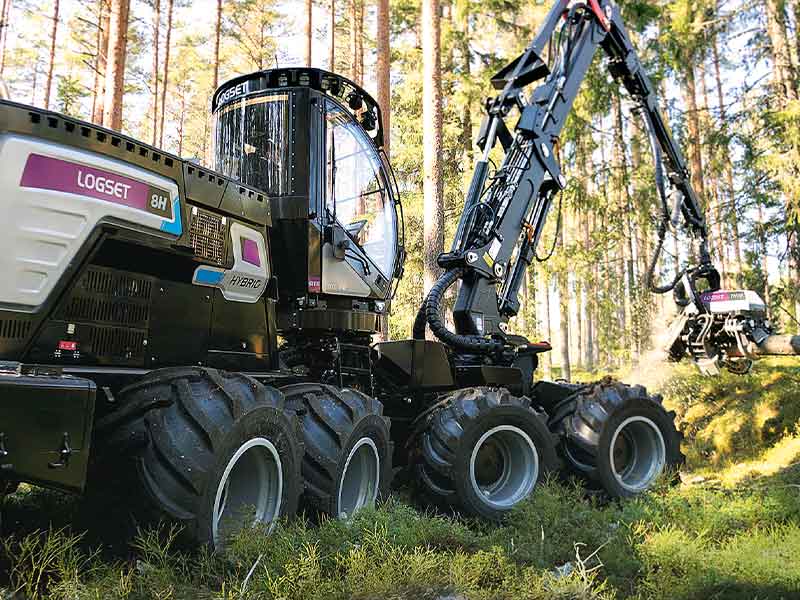
For New Zealand forestry, the concept is particularly relevant. Plantation harvesting often involves steep terrain, large radiata pine stems and long operating hours. Contractors also face rising fuel costs and increasing pressure to reduce emissions while maintaining production. Although hybrid harvesters will not eliminate diesel consumption, they offer one pathway towards lowering operating costs without fundamentally changing existing harvesting practices.
The technology also avoids some of the limitations currently associated with fully electric heavy machinery. Battery-electric forestry equipment faces considerable challenges because of long operating shifts, remote harvesting locations and limited charging infrastructure. A self-contained hybrid system requires no charging stations and continues operating much like a conventional harvester, making it easier to integrate into existing fleets.
Logset hybrid models
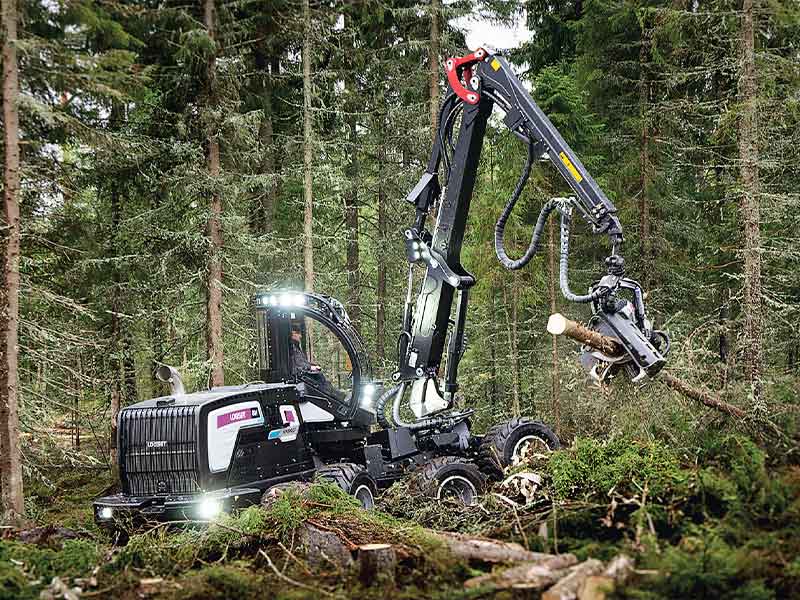
Logset currently offers hybrid technology in both its medium-sized 8H GTE Hybrid and larger 12H GTE Hybrid harvesters. The larger model is designed for high production clear-fell operations, while the 8H GTE Hybrid is suited to a wider variety of harvesting environments. Both use the same basic principle of combining diesel and electric power through a hybrid drive system.
The broader significance of Logset’s work extends beyond one manufacturer. Hybrid power has become commonplace in passenger vehicles, buses and increasingly in construction equipment. Forestry has traditionally lagged behind because of the demanding operating environment and the substantial hydraulic power required during harvesting. Demonstrating that hybrid technology can survive years of commercial forestry work suggests that similar systems may become more common across the industry.
Future direction
Whether hybrid harvesters become mainstream will depend on factors including purchase price, long-term maintenance costs and fuel savings achieved under local operating conditions. Contractors considering new equipment will ultimately judge the technology on its financial return rather than its novelty.
Nevertheless, the engineering direction is clear. Future forestry machines are unlikely to rely solely on larger diesel engines to deliver higher performance. Instead, manufacturers are increasingly combining mechanical, hydraulic and electrical systems to produce more efficient machines capable of meeting the growing demands placed on modern harvesting operations.
For an industry that continues to balance productivity with rising operating costs and environmental expectations, hybrid harvesting represents an evolutionary rather than revolutionary step. It retains the proven reliability of diesel power while using electrical assistance to improve efficiency where it matters most – during the demanding, repetitive work cycles that define mechanised timber harvesting.
Images supplied
